Archives
- 2026-08
- 2026-07
- 2026-06
- 2026-05
- 2026-04
- 2026-03
- 2026-02
- 2026-01
- 2025-12
- 2025-11
- 2025-10
- 2025-09
- 2025-03
- 2025-02
- 2025-01
- 2024-12
- 2024-11
- 2024-10
- 2024-09
- 2024-08
- 2024-07
- 2024-06
- 2024-05
- 2024-04
- 2024-03
- 2024-02
- 2024-01
- 2023-12
- 2023-11
- 2023-10
- 2023-09
- 2023-08
- 2023-07
- 2023-06
- 2023-05
- 2023-04
- 2023-03
- 2023-02
- 2023-01
- 2022-12
- 2022-11
- 2022-10
- 2022-09
- 2022-08
- 2022-07
- 2022-06
- 2022-05
- 2022-04
- 2022-03
- 2022-02
- 2022-01
-
br Conflict of interest br Funding
2022-01-03
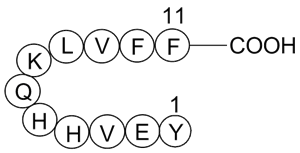
Conflict of interest Funding Acknowledgements Introduction to SLC6 transporters The solute carrier (SLC) 6 family of membrane proteins perform the Na+-coupled symport of amino acids and amino GSK2292767 derivatives into cells throughout the body. Disrupting neurotransmitter SLC6-mediate
-
The caseins are a family of milk phosphoproteins whose
2022-01-03
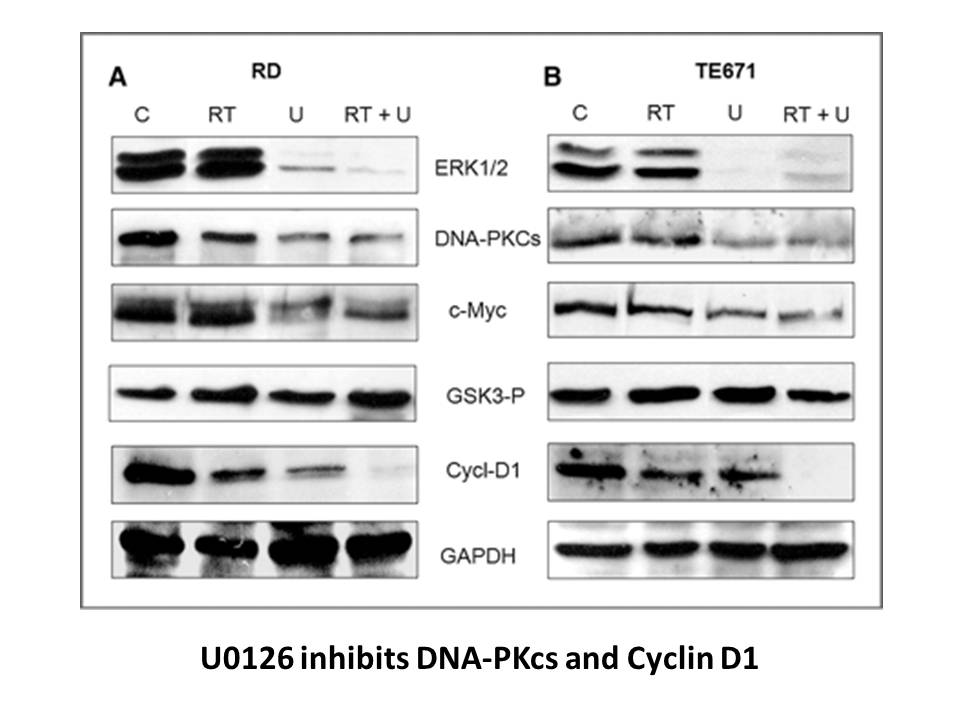
The caseins are a family of milk phosphoproteins whose biological function is to provide supersaturating concentrations of calcium, phosphates, and essential cytochalasin d to the neonate (Vonderhaar and Ziska, 1989). α- and β-caseins, the most abundant of the milk caseins, are described as calcium
-
The structural modelling studies gave a view of arsenic
2022-01-03

The structural modelling studies gave a view of arsenic mediated covalent modifications possible in Cx43. In order to look for the biochemical effects of Arsenic on Cx43 and Cx43 mediated GJIC formation, and in order to further decipher the mechanism involved in Arsenic induced decreases in expressi
-
LXRs are physiological regulators of cholesterol and
2022-01-03
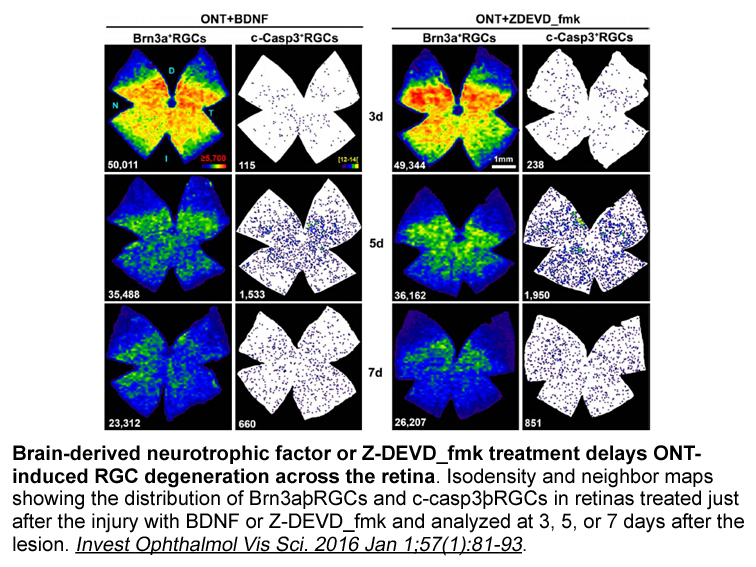
LXRs are physiological regulators of cholesterol and lipid metabolism and influence glucose metabolism. In addition, they have been shown to repress transcription of certain pro-inflammatory genes (Jakobsson et al., 2012; Ogawa et al., 2005; Terasaka et al., 2005). Thus, LXRs can either activate or
-
br Introduction GPR also known as
2022-01-03
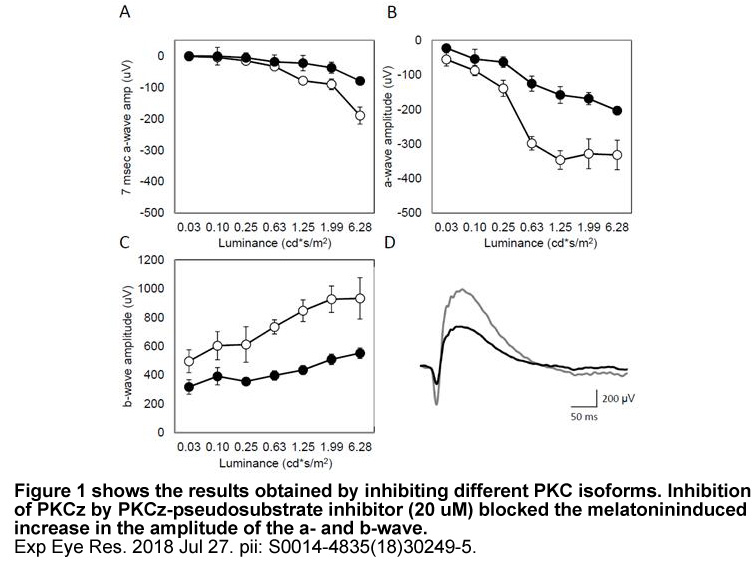
Introduction GPR40 (also known as free fatty ITMN191 receptor 1), a member of the G-protein coupled receptor (GPCR) family, is expressed in pancreatic beta cells, intestine and the central nervous system (Bekinschtein et al., 2008; Itoh et al., 2003). It is activated by medium- and long-chain sa
-
Previously we have isolated liver FBPase
2022-01-03
Previously we have isolated liver FBPase from Pelophylax esculentus (former Rana esculenta, Frost et al., 2006) and characterized its kinetic properties (Dziewulska-Szwajkowska and Dzugaj, 1999) on the contrary the muscle FBPase has never been fully characterized. The primary aim of the present pape
-
Apicidin The H autoreceptors distributed mainly in the CNS
2022-01-03
The H3 autoreceptors distributed mainly in the CNS act as a negative feedback on histamine synthesis and release from histaminergic neurons. Histamine is involved in many physiological functions such as sleep-wake regulation, circadian and feeding rhythm, thermal regulation, locomotion, learning, co
-
Utilization of fascinating properties such as localized surf
2022-01-03

Utilization of fascinating properties, such as localized surface plasmon resonance (LSPR), high fluorescent quantum yield, biocompatible nature, chromogenic and electrocatalytic functionality of several nanomaterials for histamine sensing is also quite evident where the nanomaterials have served as
8528 records 569/569 page Previous First page 上5页 566567568569